


 EN
EN
EN
EN
Custom timing solutions for labs and research centers are essential for accuracy. When precise time measurement is needed, standard clocks can fall short. Researchers often face challenges with synchronization, which can lead to errors in experiments. That is where atomic clocks come into play. These devices provide unmatched precision thanks to atomic physics principles. They help ensure that every second counts in time-critical experiments.
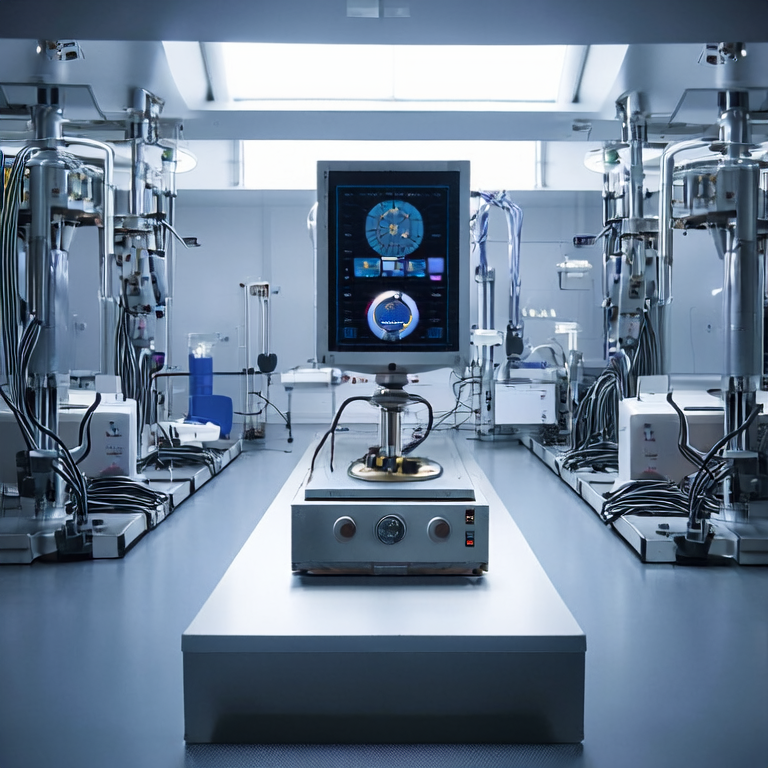
Atomic clocks offer the most accurate and reliable timing solutions for laboratories and research centers.
Atomic clocks are the most accurate timekeeping devices available. They can measure time to within billionths of a second. This accuracy is crucial in fields such as physics and engineering.
In many labs, multiple devices must work together. Atomic clocks ensure that all equipment runs on the same time, preventing errors caused by desynchronization.
Custom timing solutions can be tailored to meet specific research requirements. This adaptability is essential for laboratories working on various projects.
Atomic clocks are designed to last. Their robust nature makes them ideal for continuous operation in demanding environments.
While the initial investment in an atomic clock may seem high, the long-term savings from increased accuracy and reduced errors quickly justify the expense.
| Timing Solution | Precision | Cost | Durability |
|---|---|---|---|
| Atomic Clock | Up to 1 billionth of a second | High | Very High |
| Quartz Clock | Up to 1 second per year | Low | Moderate |
| Digital Clock | Moderate | Medium | Moderate |
Installing a custom timing solution can be straightforward with proper planning. Follow these steps:
In conclusion, custom timing solutions for labs and research centers, notably atomic clocks, are vital for ensuring precise measurements and synchronization. Their advantages include unparalleled accuracy and long-term cost savings. Investing in atomic clocks can significantly enhance research outcomes.
1. What is an atomic clock?
An atomic clock is a highly precise timekeeping device that uses the vibrations of atoms to measure time accurately.
2. Why are atomic clocks important in labs?
They provide exceptional accuracy and reliability, crucial for conducting experiments that require precise timing.
3. How do I choose the right timing solution for my research?
Consider factors like precision requirements, budget, and specific research needs to select the appropriate solution.
4. Can atomic clocks be used in all types of laboratories?
Yes, atomic clocks can be utilized in various research settings, including physics, chemistry, and engineering labs.
5. What is the lifespan of an atomic clock?
Atomic clocks are designed for long-term use and can last many years with proper care and maintenance.
Latest News


