


 EN
EN
EN
EN
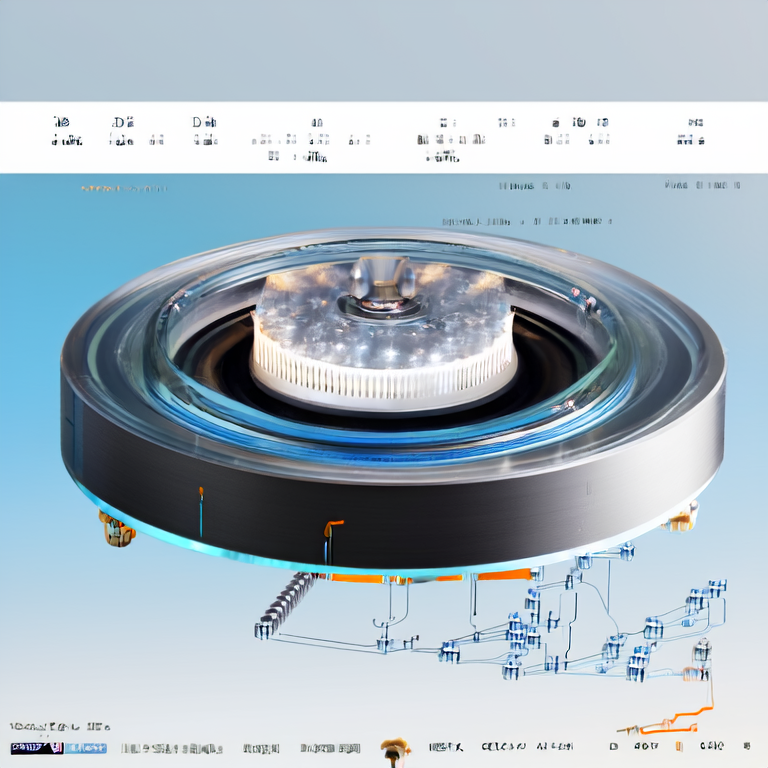
Temperature changes can significantly affect the accuracy and stability of timing systems, particularly in Temperature Compensated Crystal Oscillators (TCXOs). These devices are specifically designed to maintain consistent frequency output across a range of temperatures, which is crucial for applications in telecommunications, aerospace, and consumer electronics. As temperatures fluctuate, oscillators can deviate from their specified frequency range. This can lead to synchronization issues and degraded performance. To tackle these challenges, it is imperative to understand the underlying mechanisms of temperature sensitivity in oscillators and the methods used to mitigate these effects.
Vibrational disturbances pose another significant challenge to the integrity of timing systems. Vibrations can result from environmental factors such as machinery operations, transportation, and even natural occurrences like earthquakes. These vibrations can introduce phase noise, frequency shifts, and increased jitter in crystal oscillators. Overcoming these vibrational impacts is essential for maintaining the reliability of timing systems in mission-critical applications. Understanding how to design products that are resilient to vibration starts with recognizing the types of vibrations that can affect oscillator performance.
When it comes to counteracting the effects of temperature variations, several strategies can be employed:
1. **Use of Temperature Coefficients**: Engineering oscillators with specific temperature coefficients can help diminish frequency shifts.
2. **Active Temperature Control**: Incorporating mechanisms such as thermistors and feedback systems ensures optimal operating conditions.
3. **Sealing and Packaging**: Protecting components from environmental influences through appropriate sealing can aid in stabilizing temperature.
Innovation has played a crucial role in adapting timing systems to withstand vibration. Some key approaches include:
| Innovation | Description |
|---|---|
| Piezoelectric Stabilization | Utilizing piezoelectric materials that can counteract vibrations by generating opposite forces. |
| Improved Mounting Techniques | Employing vibration-dampening mounts to absorb shocks and prevent oscillators from disturbing each other. |
| Advanced Materials | Using resilient materials that have better strength-to-weight ratios to minimize vibration-induced failures. |
Numerous industries have showcased the successful implementation of adaptive timing systems:
1. **Aerospace**: A major aerospace manufacturer reported a 30% reduction in frequency drift by using advanced TCXOs designed for extreme temperatures.
2. **Telecommunications**: A telecommunications firm improved signal integrity by adopting vibration-resistant oscillators, resulting in less data packet loss.
3. **Automotive**: In the automotive sector, innovative packaging techniques have led to enhanced durability against vibration, leading to systems that last 50% longer on average.
As environmental conditions continue to evolve, the demand for more resilient timing systems will only increase. The integration of advanced materials and innovative engineering solutions represents a step forward in overcoming both temperature and vibration challenges. By staying at the forefront of these technologies, manufacturers can ensure their products remain reliable in the face of environmental variability.
 California Triangle Brand">
Latest News


